
Everything You Need to Know About Second Mortgages

Lori Lalonde • April 14, 2026

What Is a Second Mortgage, Really? (It’s Not What Most People Think)

If you’ve heard the term “second mortgage” and assumed it refers to the next mortgage you take out after your first one ends, you’re not alone. It’s a common misconception—but the reality is a bit different.

A second mortgage isn’t about the order of mortgages over time.


It’s actually about the number of loans 
secured against a single property—at the same time.

So, What Exactly Is a Second Mortgage?


When you first buy a home, your mortgage is registered on the property in first position. This simply means your lender has the primary legal claim to your property if you ever sell it or default.


A second mortgage is another loan that’s added on top of your existing mortgage. It’s registered in second position, meaning the lender only gets paid out after the first mortgage is settled. If you sell your home, any proceeds go toward paying off the first mortgage first, then the second one, and any remaining equity is yours.


It’s important to note:


You still keep your original mortgage and keep making payments on it—the second mortgage is an entirely separate agreement layered on top.


Why Would Anyone Take Out a Second Mortgage?


There are a few good reasons homeowners choose this route:

  • You want to tap into your home equity without refinancing your existing mortgage.
  • Your current mortgage has great terms (like a low interest rate), and breaking it would trigger hefty penalties.
  • You need access to funds quickly, and a second mortgage is faster and more flexible than refinancing.


One common use? Debt consolidation. If you’re juggling high-interest credit card or personal loan debt, a second

mortgage can help reduce your overall interest costs and improve monthly cash flow.


Is a Second Mortgage Right for You?

A second mortgage can be a smart solution in the right situation—but it’s not always the best move. It depends on your current mortgage terms, your equity, and your financial goals.

If you’re curious about how a second mortgage could work for your situation—or if you’re considering your options to improve cash flow or access equity—let’s talk. I’d be happy to walk you through it and help you explore the right path forward.


Reach out anytime—we’ll figure it out together.


Lori LaLonde
By Lori Lalonde • September 29, 2026
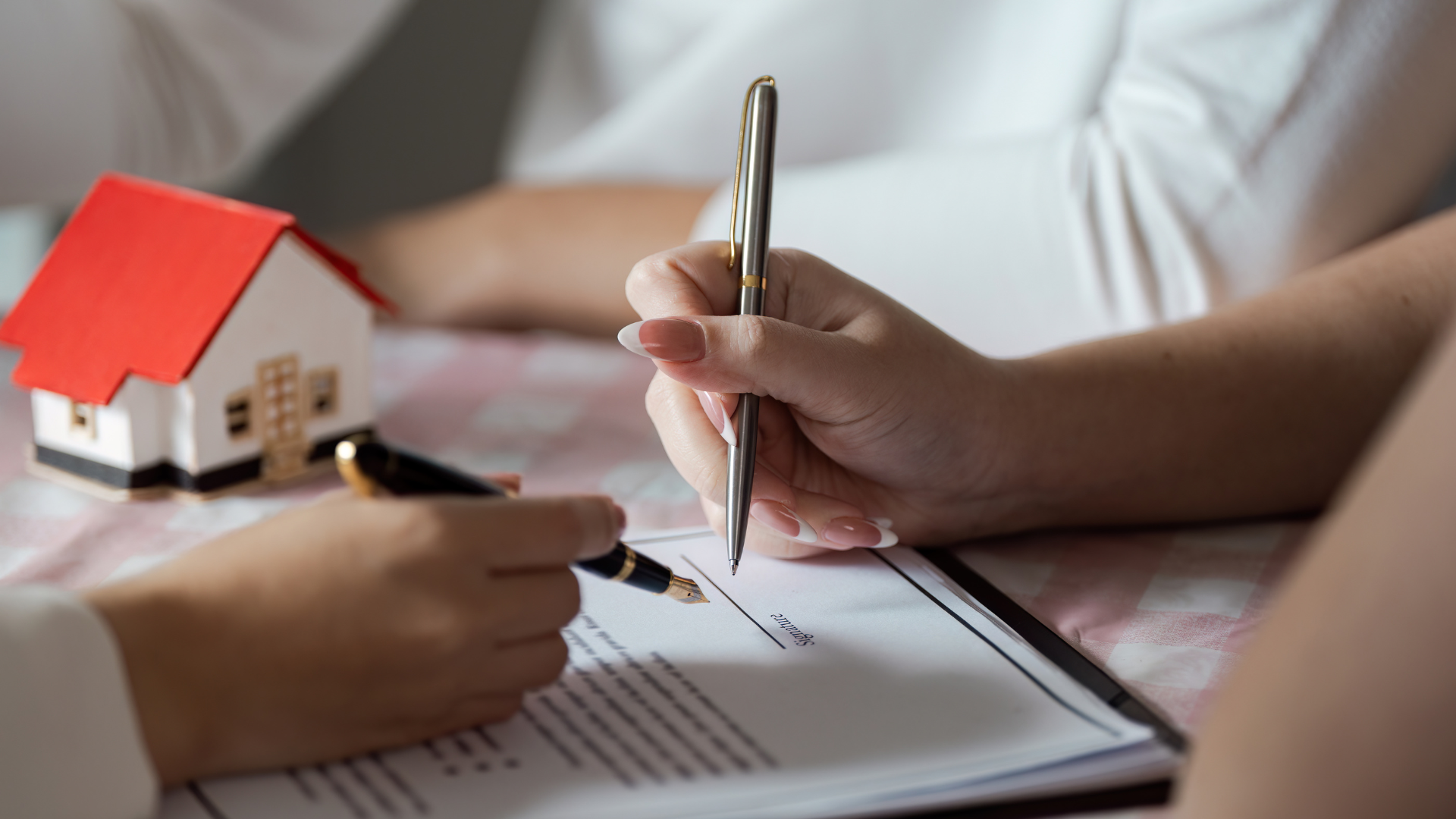
You’ve found the right home, your offer’s been accepted, and your financing is approved—congratulations! But before you can pick up the keys and celebrate, there’s one more important stage: the closing process. Closing is the final step in your homebuying journey, where all the paperwork, legal details, and financial transactions come together. It can feel overwhelming if you don’t know what to expect, but with the right preparation, closing can be smooth and stress-free. Here’s a step-by-step guide to help you understand the process. Step 1: Hire a Lawyer or Notary A real estate lawyer (or notary, depending on your province) handles the legal side of closing. They will: Review the purchase agreement and mortgage documents Conduct a title search to confirm the seller has the legal right to sell the property Ensure the mortgage lender is properly registered on the title Handle the transfer of funds between you, the lender, and the seller Your lawyer or notary will be your main point of contact during closing, so choose one you trust and who communicates clearly. Step 2: Finalize Your Mortgage Your lender will send the mortgage instructions directly to your lawyer or notary. At this stage: You’ll provide proof of property insurance (lenders require this before releasing funds) You’ll confirm your down payment and closing costs are available in your lawyer’s trust account The lawyer will prepare all documents for your review and signature Step 3: Pay Closing Costs Closing costs typically range from 1.5% to 4% of the purchase price. These can include: Legal fees Title insurance Land transfer tax (where applicable) Adjustments for property taxes or utilities prepaid by the seller Home inspection or appraisal fees (if not already paid) Your lawyer will provide a final statement of adjustments so you know exactly how much is due on closing day. Step 4: Sign the Paperwork A few days before closing, you’ll meet with your lawyer or notary to sign all the necessary documents, including: Mortgage agreement Title transfer Insurance confirmations Statement of adjustments Bring valid government-issued ID to this appointment. Step 5: Transfer of Funds On the day of closing: Your lender sends the mortgage funds to your lawyer Your lawyer combines these funds with your down payment and pays the seller Legal ownership of the property is transferred into your name The lender is registered on title as a secured creditor Step 6: Get the Keys! Once the paperwork is filed and the funds have cleared, your lawyer will confirm that the transaction is complete. You’ll then get the keys to your new home—officially making it yours. The Bottom Line The closing process is a series of important steps, but with the right team in place, it doesn’t have to be stressful. By working closely with your mortgage professional and lawyer, you’ll have guidance every step of the way—from signing the documents to turning the key in the front door. If you’d like help preparing for the closing process—or want a clear breakdown of your own closing costs— connect with us today.
By Lori Lalonde • September 15, 2026
Cashback Mortgages: Are They Worth It? Here’s What You Need to Know If you’ve been exploring mortgage options and come across the term cashback mortgage , you might be wondering what exactly it means—and whether it’s a smart move. Let’s break it down in simple terms. What Is a Cashback Mortgage? A cashback mortgage is just like a regular mortgage—but with one extra feature: you receive a lump sum of cash when the mortgage closes . This cash is typically: A fixed amount , or A percentage of the total mortgage , usually between 1% and 7% , depending on your mortgage term and lender. The money is tax-free and paid directly to you on closing day. What Can You Use the Cashback For? There are no restrictions on how you use the funds. Here are some common uses: Covering closing costs Buying new furniture Renovations or home upgrades Paying off high-interest debt Boosting your cashflow during a tight transition Whether it’s to help you settle in or catch up financially, cashback can offer a helpful buffer— but it comes at a cost . The True Cost of a Cashback Mortgage Here’s the part many people overlook: cashback mortgages come with higher interest rates than standard mortgages. Why? Because the lender is essentially advancing you a small loan upfront—and they’re going to make that money back (and then some) through your mortgage payments. So while the upfront cash feels like a bonus, you’ll pay more in interest over time to have that convenience. Breaking Down the Numbers It’s hard to give a blanket answer about how much more you’ll pay since it depends on: Your interest rate The cashback amount The mortgage term Your payment schedule This is why it’s important to run the numbers with a mortgage professional who can help you compare this option with others based on your personal financial situation. Are You Eligible for a Cashback Mortgage? Not everyone qualifies. Cashback mortgages generally come with stricter requirements . Lenders often want to see: Excellent credit history Strong, stable income Low debt-to-income ratio If your mortgage file includes anything “outside the box”—like being self-employed or recently changing jobs—qualifying for a cashback mortgage might be tough. What If You Need to Break the Mortgage? This is one of the biggest risks with cashback mortgages. If your circumstances change and you need to break your mortgage early, you could be on the hook for: Paying back some or all of the cashback you received, and A prepayment penalty (typically the interest rate differential or 3 months’ interest—whichever is higher) That can be a very expensive combination. So if there’s even a chance you might need to sell, refinance, or move before your term is up, a cashback mortgage might not be the best fit. Should You Consider a Cashback Mortgage? Maybe—but only with eyes wide open. Cashback mortgages can be helpful in the right scenario, but they’re not free money. They’re a lending tool that benefits the lender , and the key is knowing exactly what you’re agreeing to. Final Thoughts: Talk to an Expert First Choosing the right mortgage isn’t just about the lowest rate or the biggest perk—it’s about making a choice that fits your whole financial picture. If you’re considering a cashback mortgage, or just want to explore all your options, let’s talk. As an independent mortgage professional , I can help you weigh the pros and cons of various products, so you can make a confident, informed decision. Have questions? I’d be happy to help—reach out anytime.